UTA Q&A: Karen Black, Spanish translation and interpreting student
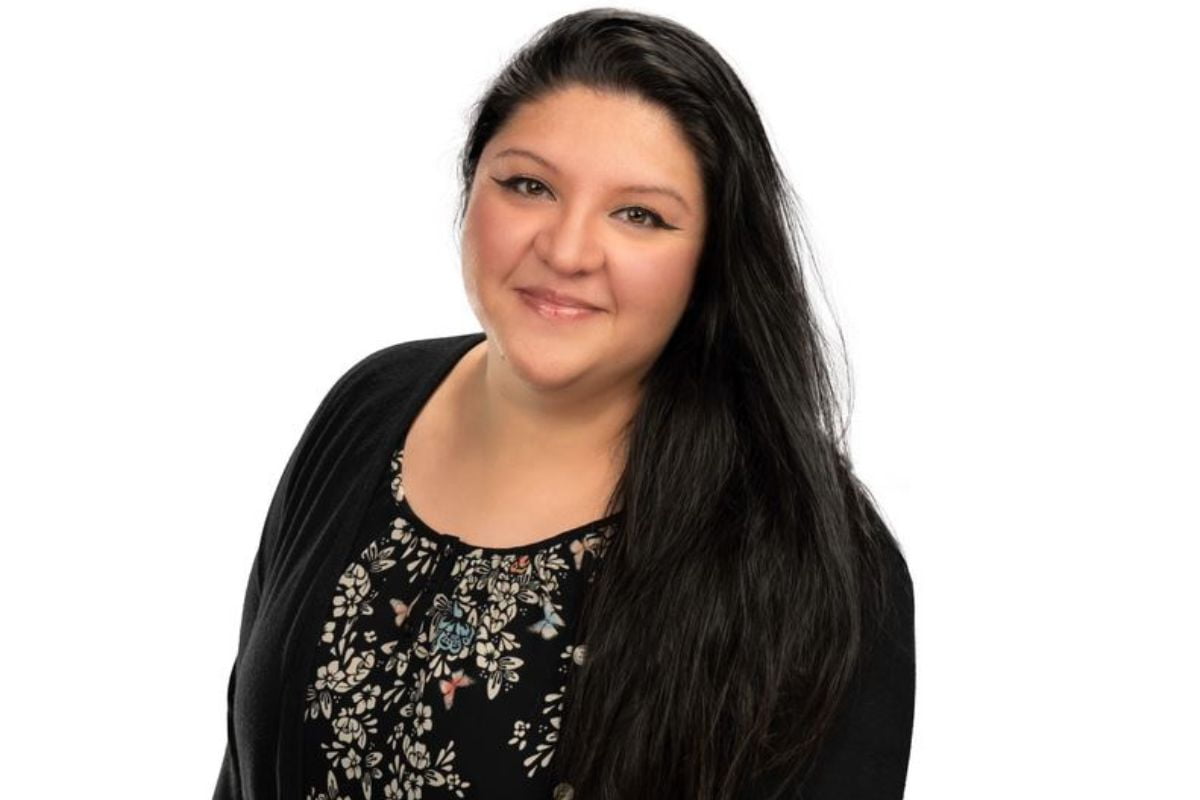
Twenty years after first attending college, Karen Black was working a job she didn’t care for when her son asked her whether she had ever considered a different career.
“I told him it was the best I could do since I didn’t have a degree,” said Black, who majors in Spanish translation and interpreting at The University of Texas at Arlington. “But then I realized that since most universities were doing virtual school during the pandemic, maybe it was a good time to enroll and finally get that degree.”
Why did you choose Spanish translation and interpreting for your major?
When my family moved from Mexico to North Carolina when I was 11, there was no formal teaching for us to learn English. I didn’t know how to speak for myself when I was so young in a new country. I saw it in my parents, too, when our teachers tried to tell them how my brother and I were doing in school. Their faces were just blank, and it was like we were shadow people. You can’t get anywhere without communication.
Why does communication continue to be an area of passion for you?
Everybody talks about equality, but the main thing that good communication does is work on equity instead of just equality. Good communication helps everyone know what their rights are, and that’s what everyone here deserves. We can only succeed as a country if every citizen succeeds.
You’ve been involved in research, both in the Maternal and Child Health (MCH) Equity Lab and the Physical Activity and Wearable Sensors (PAWS) Lab. How did that come about?
Through MCH, I’ve had the opportunity to connect with people from Colombia and talk about midwifery and how important it is for maternal and child health. And in the PAWS Lab, I’m helping to expand their work with cancer survivors to the Hispanic community. Both times, it’s been because a professor asked if I’d be interested in helping. I’ll never say no to someone who needs help with communication, because back when I was a kid, I needed someone to say yes to me.
What’s next for you after graduation?
I’d love to help introduce Spanish translation and interpreting as a dual credit option for high school students. If I had that option 20 years ago, I would have taken it, so that’s my ultimate goal—to bring the education I’m getting now to kids, because that’s where we need it.
- Interview by Amber Scott – Marketing, Messaging and Engagement